Daily, millions set out on their commutes, seldom mindful of the ecological impact of their transportation decisions. The gasoline used by personal cars and the pollutants emitted into the air make commuting a major contributor to the planet's carbon emissions. Over time, these regular journeys intensify climate change, degrading air quality and adding to greenhouse gas buildup. Being aware of the emissions generated per trip is essential for adopting greener commuting options. Understanding their carbon output enables commuters to consider more eco-friendly options. Informed commuters are empowered to make responsible choices that positively affect the global ecosystem.
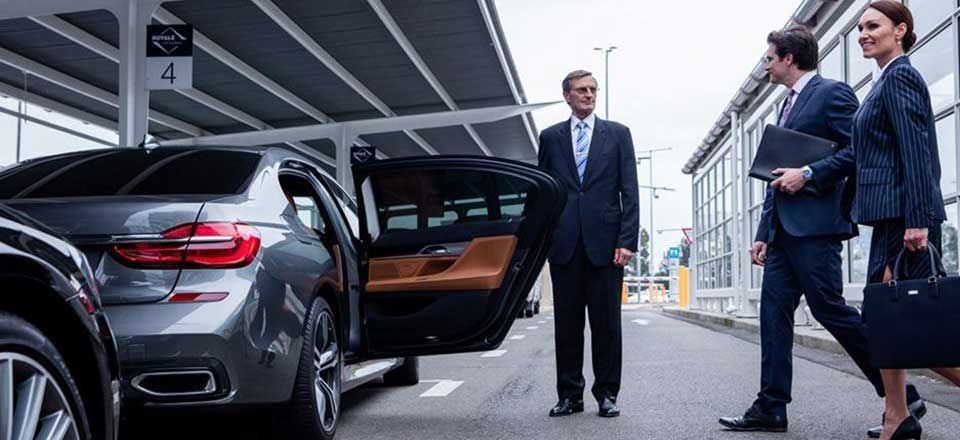
EnviroRide maintains that premium ground travel can combine comfort with sustainability. We tailor our offerings to lower environmental impact while ensuring passenger luxury. Our fleet of carefully serviced, energy-efficient vehicles helps mitigate environmental consequences. Through routine sustainable strategies, we show that efficiency and environmental care can align. Passengers experience smooth travel while contributing positively to environmental goals. Opting for eco-friendly transportation advances both personal and planetary well-being.
Air Pollution and Health Implications
Air quality degradation from daily travel poses serious health hazards in addition to climate impacts. Harmful emissions including nitrogen oxides, fine particles, and volatile compounds contribute to declining air quality. Long-term contact with these emissions increases risks of lung disease, heart issues, and other chronic ailments. Populations near congested streets face higher exposure to toxic emissions. Minimizing vehicle emissions contributes directly to healthier urban and suburban environments. Choosing green commuting methods is essential for creating safer, cleaner surroundings.
Opting for greener travel reduces personal exposure to dangerous air contaminants. EnviroRide implements emission-limiting measures through meticulous fleet oversight and optimized driving. This approach simultaneously safeguards health and reduces ecological impact. Incremental adjustments in transportation methods collectively produce substantial environmental benefits. Educating commuters about the connection between transportation and air quality empowers them to make informed decisions. Safeguarding environmental and personal health relies on deliberate and coordinated efforts.
Transportation Energy Use and Sustainability
Each commute draws heavily on nonrenewable energy sources, imposing environmental strain. Extracting and using fuel depletes resources and harms ecosystems. Every journey in a traditional car adds incrementally to this overarching environmental impact. Understanding energy demands motivates adoption of more sustainable commuting methods. Managing energy consumption is critical to achieving long-term environmental sustainability and preserving natural resources. Being conscious of fuel implications directs commuters toward environmentally sound habits.
EnviroRide emphasizes energy optimization, meticulously designing routes to minimize fuel use. Through careful route planning and vehicle use, energy consumption is minimized on every trip. Adopting energy-efficient strategies lessens the ecological footprint of commuting. Passengers benefit from sustainable travel without sacrificing comfort, supporting overall energy conservation. Thoughtful transportation solutions demonstrate that environmental stewardship can be integrated seamlessly into everyday routines. Each trip presents a chance to reduce ecological impact.
Traffic Congestion and Environmental Strain
Beyond causing frustration, traffic jams have measurable ecological impacts. Prolonged stop-and-go traffic leads to higher fuel consumption and pollutant release. Noise levels rise in heavy traffic, impacting residents and local ecosystems. Urban planners and transportation experts recognize that managing congestion is vital for reducing the environmental strain of commuting. Adopting shared rides and professional transport solutions can help reduce road congestion. Smarter commuting choices can enhance efficiency while reducing the environmental footprint of daily travel.
Professional luxury transportation can help reduce traffic density in crowded locations. Offering dependable, coordinated trips lowers the total number of cars in traffic. Reduced vehicle count improves traffic movement, cuts emissions, and lessens ecological impact. Passengers enjoy reliable travel while contributing to less crowded roads. Thoughtful transit planning enhances commuting effectiveness and advances ecological objectives. Conscious commuting choices generate positive outcomes for communities at large.
Advances in Eco-Friendly Vehicle Technology
Innovative automotive designs play a key role in lowering commuting-related environmental harm. Advances like electric and hybrid engines optimize energy use while minimizing pollutants. Eco-friendly vehicle systems are now common in high-class transport fleets, reshaping travel norms. Green vehicles support air quality improvements and lessen reliance on nonrenewable energy. Adopting cutting-edge vehicle technology is essential for companies and individuals who wish to minimize their ecological footprint. Moving toward sustainable mobility reflects a commitment to planetary health.
EnviroRide integrates cutting-edge eco-friendly vehicles to maximize environmental responsibility on every trip. Choosing green vehicles allows EnviroRide to maintain premium service while reducing ecological impact. Riders enjoy top-tier service while helping reduce emissions and conserve energy. Using sustainable tech in luxury transport establishes an industry benchmark. Opting for green technology-enabled vehicles reflects intentional environmental responsibility. Adopting advanced vehicle tech generates lasting positive effects for the planet.
Fostering Eco-Conscious Commuting Habits
Personal travel decisions significantly affect ecological impact, with behavior being key. Those who implement energy-saving practices—like ride-sharing or optimized route planning—lower their environmental impact. Awareness efforts guide commuters toward greener daily travel decisions. Minor changes, such as combining trips, produce significant ecological gains. Being informed and purposeful fosters responsible commuting. Acknowledging personal influence on ecological health motivates greener travel habits.
EnviroRide promotes awareness of the environmental effects of each journey. Choosing luxury, professional transportation aligns comfort with eco-conscious living. Actions such as emission reduction, energy conservation, and travel efficiency support environmental health. Behavioral change is not always easy, but with accessible, eco-conscious options, the transition becomes achievable and rewarding. Encouraging eco-conscious routines helps passengers join a larger environmental effort. Thoughtful commuting choices have lasting benefits for planetary well-being.
Community Impact and Shared Responsibility
Sustainable commuting practices extend beyond individual responsibility to encompass community-wide benefits. Reduced traffic emissions improve public health, decrease noise pollution, and create more livable urban spaces. Environmentally responsible transportation choices also demonstrate social leadership, inspiring others to adopt greener practices. Shared commitment to eco-friendly commuting benefits cities, public health, and the environment. Shared responsibility fosters a sense of unity and commitment toward protecting the environment. Every choice influences local and regional environmental outcomes.
EnviroRide acknowledges that each sustainable ride contributes to environmental and community well-being. Every sustainable ride we provide contributes to the well-being of the community and the planet. Selecting environmentally responsible rides fosters a long-term benefit for the planet. Collectively, we can make everyday travel both luxurious and eco-friendly. Participate in transforming every ride into an opportunity for environmental benefit.
check here